Crafting Hemispheres and Cones: A Metal Spinner's Guide
Understanding Spun Metal Cones
What are Spun Metal Cones?
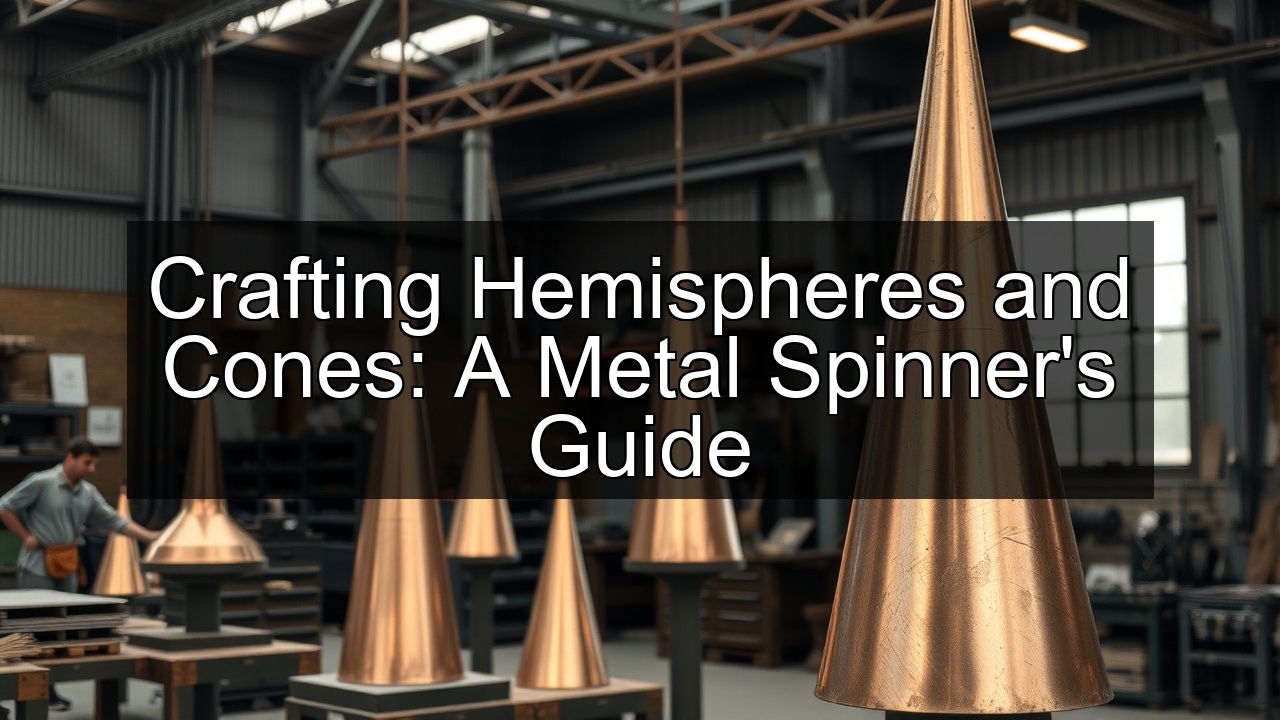
Spun metal cones are cylindrical shapes formed through a process known as metal spinning, where flat metal discs are transformed into conical shapes. This process takes advantage of the malleability of metals like aluminum, allowing artisans and manufacturers to create precise and uniform cones. These cones can vary in size and thickness, making them versatile for various applications. The spinning method involves rotating a metal disc while applying pressure with a tool, which gradually shapes the metal into the desired conical form. The result is a lightweight yet durable product that showcases both aesthetic appeal and functional strength.
Applications of Spun Metal Cones in Various Industries
Spun metal cones find utility across multiple industries due to their adaptability. In the construction sector, these cones serve as essential components in roof flashings, ensuring proper drainage and weatherproofing. In the automotive and aerospace industries, spun cones are utilized in components that require a combination of strength and lightweight properties, such as exhaust systems and aerodynamic parts. Additionally, the artistic community employs spun metal cones for decorative elements and sculptures. Their ability to be customized through various finishes and diameters makes them suitable for both functional and aesthetic purposes, ensuring that they meet specific industry needs effectively.
Advantages of Using Spun Aluminum for Cones
Spun aluminum stands out as a preferred material for crafting cones due to several inherent advantages. First, aluminum is lightweight, which reduces the overall mass of the final product, making it ideal for applications where weight savings are crucial, such as in aerospace and automotive sectors. Moreover, aluminum exhibits excellent corrosion resistance, ensuring that spun metal cones maintain their integrity and appearance over time, even in harsh environments. Additionally, the material’s malleability allows for intricate designs and customizations, enabling manufacturers to create build to order solutions that cater to specific project requirements. The combination of these properties makes spun aluminum an optimal choice for creating high-quality, durable cones.
Techniques for Crafting Hemispheres and Cones
Metal Spinning Process: An Overview
The metal spinning process encompasses several steps that transform raw materials into finished spun metal products. It begins with selecting the appropriate metal, such as spun aluminum, and cutting it into a flat disc. This disc is then securely mounted on a spinning lathe. As the lathe spins, the operator uses various tools to apply pressure against the disc, gradually shaping it into the desired hemisphere or cone. The precision of this technique allows for minimal material waste, making it both cost-effective and environmentally friendly. After achieving the desired shape, additional processes such as welding may be employed to enhance the strength and stability of the final product. This comprehensive approach ensures that the crafted hemispheres and cones meet the highest standards of quality.
Welding Techniques for Stronger Cones and Hemispheres
Welding techniques play a crucial role in enhancing the structural integrity of spun metal cones and hemispheres. After the spinning process, elements may require joining to create larger or more complex structures. Common welding methods such as TIG (Tungsten Inert Gas) and MIG (Metal Inert Gas) welding offer reliable means to bond aluminum components. These techniques produce strong welds that retain the lightweight nature of the material while ensuring durability. Proper surface preparation is essential before welding; cleaning and treating the metal surfaces can prevent contamination and improve weld quality. By integrating effective welding practices, manufacturers can produce robust spun metal products capable of withstanding various operational stresses.
Customizing Cones: Build to Order Options
Customization options for spun metal cones allow for tailored solutions that meet specific project requirements. Manufacturers can offer build to order services, where clients specify dimensions, thickness, and finishes. This flexibility enables the creation of unique designs that suit a variety of applications. For instance, a client may need a cone with a specific diameter for a roofing project, or an artist might request a unique shape for a sculpture. Advanced technologies, such as computer-aided design (CAD), facilitate precise customization, ensuring that the final product aligns perfectly with the client’s vision. Embracing customization not only enhances customer satisfaction but also broadens the market reach for spun metal products.
Practical Applications of Spun Metal Products
Using Spun Metal Cones in Roof Flashings
Spun metal cones are integral to the construction and roofing industries, particularly in roof flashings. Flashings, which are materials used to direct water away from critical areas of a structure, benefit significantly from the properties of spun metal. The conical shape facilitates effective water drainage, preventing pooling and potential damage to the roofing system. Additionally, spun aluminum’s lightweight nature simplifies installation while ensuring long-term durability. These cones can be designed to fit various roof profiles, enhancing their functionality. Using spun metal cones in roof flashings not only improves performance but also contributes to the overall aesthetic of the building, as they can be finished to match architectural styles.
Creating Funeral Urns with Spun Metal Techniques
The artistry of spun metal techniques extends into more personal domains, such as the creation of funeral urns. Spun aluminum offers a dignified and elegant option for memorial products. Artisans can craft urns in various shapes and sizes, providing families with unique options to honor their loved ones. The spinning process allows for intricate designs, from simple to complex, ensuring that each urn reflects the personality of the deceased. Additionally, spun metal urns can be customized with engravings or finishes that add a personal touch. This combination of artistry and functionality makes spun metal urns a thoughtful choice for memorialization.
Designing Pressure Vessels and Tanks with Hemispheres
Hemispherical designs play a vital role in creating pressure vessels and tanks. The inherent strength of a hemisphere allows for efficient distribution of stress, making it ideal for containing gases or liquids under pressure. Manufacturers often employ spun metal techniques to create these hemispheres, ensuring a consistent wall thickness and durability. Industries such as chemical processing, oil and gas, and water treatment rely on these vessels for safe and efficient operation. Designing tanks with spun hemispheres not only maximizes strength but also minimizes material usage, aligning with modern sustainability practices. This thoughtful approach to design and manufacturing results in pressure vessels that are both effective and environmentally conscious.
Getting Started with Metal Spinning
Essential Tools and Equipment for Metal Spinning
Embarking on metal spinning requires specific tools and equipment to ensure successful outcomes. A metal spinning lathe forms the centerpiece of the operation, where discs are shaped into cones and hemispheres. Essential accessories include tooling for shaping, cutting, and finishing the metal surfaces. High-quality tools help achieve precision and consistency in every project. Additionally, a good set of personal protective equipment (PPE) is crucial, as spinning metal can produce sharp edges and metal shavings. Investing in the right tools not only enhances the quality of spun metal products but also ensures the safety of the operator throughout the process.
Choosing the Right Diameter for Your Project
Selecting the appropriate diameter for a spun metal project is critical for achieving the desired functionality and aesthetics. The diameter influences the overall design, strength, and application of the final product. For example, larger diameters may be necessary for industrial applications such as pressure vessels, while smaller diameters might suit decorative items or specific construction needs like roof flashings. Understanding the intended use will guide the choice of diameter, ensuring optimal performance. Collaborating with experienced manufacturers can provide insights and recommendations, helping to streamline the decision-making process for custom projects.
Common Mistakes to Avoid in Metal Stamping and Spinning
While metal spinning offers many benefits, newcomers often encounter pitfalls that can hinder their projects. One common mistake is neglecting material selection; using the wrong type or thickness of metal can lead to difficulties during the spinning process. Additionally, improper tooling can result in uneven shapes or defects. Another frequent error involves inadequate surface preparation before welding, which can compromise joint strength. Understanding the importance of precision and attention to detail helps mitigate these issues. By learning from experienced professionals and investing time in skill development, aspiring metal spinners can avoid these common mistakes and produce high-quality spun metal products.