Mastering the Art of Plate Beveling for Flawless Welds
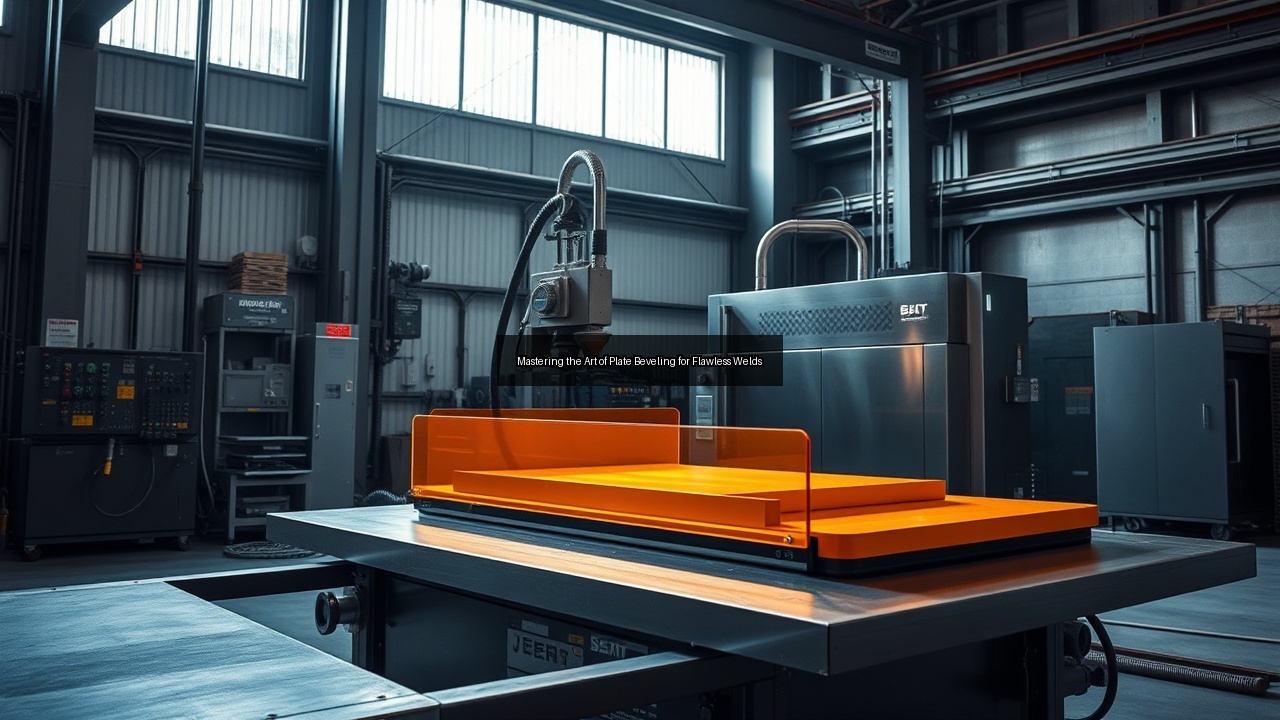
Understanding Plate Beveling in Metalworking
What is Plate Beveling?
Plate beveling forms the foundation of precise metalworking, where workers angle the edges of metal plates to prepare them for welding. This process involves cutting or grinding a sloped edge on thick plates, typically steel or aluminum, to create a bevel that allows deeper weld penetration and stronger joints. In metalworking shops, a plate beveling machine serves as the key tool, automating the task to ensure consistency across large surfaces. Without proper beveling, welds weaken, leading to structural failures in everything from shipbuilding to pipeline construction. Beveling transforms flat plates into weld-ready components by removing material at a controlled angle, often between 15 and 45 degrees, depending on the project demands. Skilled operators use beveling tools like mills or plasma cutters integrated into the machine to achieve smooth, uniform edges. This technique dates back to traditional forging but has evolved with modern plate beveling machines that handle thicknesses from 3mm to over 50mm. Understanding plate beveling means grasping how it enhances the overall integrity of metal structures, preventing cracks and ensuring seamless fusion during welding. In essence, beveling bridges raw material preparation and the final weld, making it indispensable in industries reliant on durable metalwork.
Importance of Beveling in Welding
Beveling elevates welding quality by enabling full penetration welds that bond metals securely without voids or inclusions. In welding applications, a beveled edge allows the filler material to reach the root of the joint, creating a robust connection that withstands stress, heat, and corrosion. Without beveling, flat butt welds on thick plates result in shallow fusions prone to failure under load, compromising safety in critical sectors like aerospace and heavy machinery. Plate beveling machines streamline this preparation, reducing manual labor and minimizing errors that could lead to costly rework. Proper beveling also improves weld aesthetics, producing cleaner lines that meet stringent codes from organizations like AWS. It cuts down on welding consumables by optimizing joint geometry, saving time and resources in high-volume production. For instance, in fabricating pressure vessels, beveling ensures the weld bead flows evenly, avoiding defects like porosity. Metalworking professionals recognize beveling as a proactive step that extends the lifespan of welded assemblies. By focusing on bevel depth and angle, welders achieve higher efficiency and reliability, turning potential weak points into fortified seams. Ultimately, beveling in welding isn't optional—it's the difference between a mediocre joint and a flawless, enduring weld.
Different Types of Bevels
Bevels vary widely to suit specific welding needs, with common types including single-V, double-V, J-bevel, and U-bevel configurations. A single-V bevel cuts a V-shaped groove from one side of the plate, ideal for thinner materials where access is limited, promoting straightforward weld deposition. Double-V bevels, machined from both sides, distribute welding stress evenly on thicker plates, reducing distortion and enhancing joint strength—perfect for heavy industrial beveling machines handling beams or frames. J-bevels feature a straight edge transitioning to a curved root, minimizing filler material while maximizing penetration, often used in pipe welding or automated setups. U-bevels create a rounded groove that further conserves weld metal and lowers heat input, beneficial for high-alloy steels prone to cracking. Each type influences the beveling tool selection; for example, a plate beveling machine with adjustable milling heads excels at precise J or U profiles. In metalworking, choosing the right bevel type depends on plate thickness, material properties, and weld position—overhead welds favor single-sided options for easier access. Advanced beveling machines incorporate software to program these shapes, ensuring repeatability. Mastering these bevel variations empowers welders to tailor preparations for optimal results, from ship hulls to structural steel frameworks.
Plate Beveling Machines: An Overview
Types of Plate Beveling Machines
Plate beveling machines come in several types tailored to metalworking demands, each offering unique advantages for efficient bevel preparation. Portable bevelers, like handheld beveling tools, suit small-scale jobs or on-site repairs, where mobility trumps power—ideal for beveling pipe ends or thin plates up to 20mm thick. Stationary beveling machines dominate workshops, featuring robust frames for handling large plates in fixed positions, often with hydraulic drives for consistent cuts on heavy steel. Industrial beveling machines, such as CNC-controlled models, automate complex bevels across vast surfaces, integrating plasma or oxy-fuel cutting for high-precision work in shipyards or fabrication plants. Metal beveling machines with milling heads provide the smoothest finishes, reducing post-weld grinding, while grinder-based bevelers excel at quick edge chamfering for lighter duties. Some advanced plate beveling machines combine beveling with other functions like scarfing or rounding, streamlining workflows in plate machining. Trolley-mounted variants enhance versatility, allowing the machine to glide along plates for uninterrupted operation. Selecting the type hinges on production volume and material specs; high-output facilities lean toward automated industrial beveling machines to boost throughput. These machines evolve with user needs, ensuring beveling tools adapt to diverse welding challenges in modern metalworking.
Key Technical Specifications to Consider
Technical specifications define a beveling machine's performance, so evaluate bevel angle range, plate thickness capacity, and power source carefully. Most plate beveling machines offer adjustable angles from 0 to 60 degrees, crucial for matching weld joint designs without secondary adjustments. Thickness handling varies—entry-level models manage 6-30mm plates, while heavy-duty industrial beveling machines tackle up to 100mm or more, essential for thick plate machining in construction. Motor power, measured in kilowatts, determines cutting speed; a 3-5kW unit suits general metal beveling, but demanding applications require 10kW+ for sustained operation. Feed speed and spindle RPM affect finish quality—higher RPMs yield smoother bevels, minimizing burrs in welding prep. Consider tooling compatibility, like insert types for milling heads, which impact durability on abrasive materials. Safety features, including guards and emergency stops, along with ergonomic designs, prevent accidents in busy shops. Noise levels and dust extraction systems also matter for operator comfort and compliance. For trolley integration, check rail compatibility to ensure smooth mobility. Reviewing these specs helps metalworking teams select a beveling machine that aligns with workflow efficiency and long-term reliability, avoiding underpowered tools that compromise weld quality.
How to Choose the Right Beveling Tool
Choosing the right beveling tool starts with assessing your metalworking environment and specific beveling requirements. For occasional use, a compact beveler with manual controls suffices, offering portability for field welding without overwhelming costs. In high-volume settings, opt for an industrial beveling machine with automation features like programmable angles and auto-feed systems to handle repetitive plate beveling tasks efficiently. Factor in material types—stainless steel demands tools with corrosion-resistant components, while carbon steel benefits from high-torque beveling machines for tougher cuts. Budget plays a role; entry-level plate beveling machines cost under $5,000, but advanced models with CNC integration exceed $50,000, justified by ROI in reduced labor. Evaluate ease of setup and maintenance—tools with quick-change inserts minimize downtime. User reviews and manufacturer support highlight reliability; brands like Lincoln or ESAB often lead in beveling tool innovation. Test compatibility with existing trolleys if mobility is key, ensuring seamless integration for large-plate work. Prioritize versatility—multi-angle beveling tools adapt to V, J, or bevel types without accessories. By aligning tool specs with project needs, welders secure beveling equipment that delivers flawless edges, enhancing overall welding precision and productivity in demanding applications.
The Beveling Process: Step-by-Step Guide
Preparing the Plate for Beveling
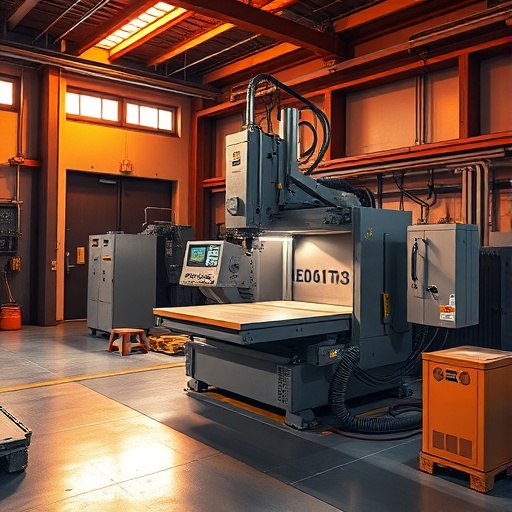
Preparing the plate sets the stage for successful beveling, beginning with a thorough inspection for surface defects like rust, scale, or contaminants that could damage the beveling machine. Clean the plate using wire brushes, grinders, or chemical solvents to expose bare metal, ensuring the tool cuts cleanly without slippage. Measure plate thickness and mark bevel lines with chalk or tape for accuracy, accounting for any warping from prior heat treatments. Secure the plate on a stable workbench or roller supports to prevent movement during operation—vibrations ruin bevel uniformity. For large plates in plate machining, align edges parallel to the machine path, using clamps or magnets for firm hold. Preheat if working with high-carbon steels to avoid cracking, monitoring temperatures with infrared tools. Verify material grade compatibility with the beveling tool's capabilities, as alloys vary in hardness. Document prep details for quality control, tracing back any weld issues to initial setup. This meticulous preparation minimizes errors, protects the plate beveling machine from undue wear, and guarantees bevels that facilitate strong, defect-free welds in metalworking pipelines.
Setting Up the Beveling Machine
Setting up the beveling machine demands precision to achieve consistent results across plates. Start by selecting the appropriate cutting tool—milling inserts for smooth finishes or abrasive wheels for rapid stock removal—based on bevel type and material. Adjust the angle gauge to the desired bevel, typically 30-37 degrees for standard V-joints, locking it securely to avoid shifts mid-run. Calibrate feed rate and speed settings via the control panel; slower feeds ensure deeper cuts on thick plates without overheating. Power on the machine and run a test on scrap material to fine-tune depth and alignment, checking for even bevel width. Integrate safety gear like shields and ensure the workspace is clear of obstacles. For trolley-equipped models, position rails parallel to the plate edge, testing mobility before full engagement. Lubricate moving parts and inspect belts or hydraulics for optimal performance. Input parameters into digital interfaces if using a CNC plate beveling machine, programming multi-pass sequences for complex profiles. Operator training reinforces setup protocols, preventing common pitfalls like improper tooling that lead to uneven bevels. Proper setup transforms the beveling machine into a reliable ally, paving the way for efficient, high-quality plate preparation in welding workflows.
Executing the Beveling Process
Executing the beveling process involves guiding the machine steadily along the plate edge to create the perfect bevel for welding. Initiate the cut by aligning the tool head with the marked line, engaging the feed mechanism gradually to build momentum without jerking. Maintain even pressure as the plate beveling machine mills away material, monitoring for uniform groove formation—watch for chatter marks indicating dull tools. For long plates, use a trolley to propel the machine smoothly, covering distances up to several meters without fatigue. Pause periodically to clear chips and inspect progress with calipers, adjusting depth if the bevel root isn't clean. In automated modes, oversee the industrial beveling machine's path via sensors that detect deviations, ensuring precision on curved or irregular edges. Coolant application prevents overheating, preserving both tool life and plate integrity during extended runs. Complete the pass by slowing to a stop, then flip the plate for double-sided bevels if required. Post-execution, deburr edges lightly to remove any raised lips, readying the bevel for immediate welding. This hands-on execution, when done right, yields bevels that promote flawless fusion, reducing spatter and enhancing joint durability in metalworking projects.
Maximizing Efficiency with Industrial Beveling Machines
Integrating Trolleys for Enhanced Mobility
Integrating trolleys into industrial beveling machines boosts mobility, allowing seamless operation across expansive plates in large-scale metalworking. Trolleys mount on rails or directly to the plate surface, enabling the beveling machine to travel linearly or orbitally without manual pushing, ideal for beveling ship panels or wind turbine bases. Magnetic or vacuum trolleys adhere securely to ferrous or non-magnetic plates, supporting speeds up to 2 meters per minute for rapid coverage. Setup involves aligning tracks parallel to the bevel line, calibrating the trolley's drive motor to sync with the machine's feed rate—mismatches cause uneven cuts. This integration cuts labor by 50% in plate machining, as one operator handles vast areas previously requiring teams. Adjustable height trolleys accommodate varying plate thicknesses, maintaining consistent bevel angles. For curved edges, articulated trolleys follow contours, expanding applications to pipe beveling tools. Maintenance focuses on wheel lubrication and track cleaning to prevent derailments. In welding prep, trolley-enhanced beveling machines deliver uniform edges that speed up assembly lines. Adopting this setup revolutionizes efficiency, turning cumbersome tasks into streamlined processes that deliver superior weld readiness.
Maintaining Your Beveling Machine for Longevity
Maintaining your beveling machine ensures longevity and consistent performance in demanding metalworking environments. Daily routines include wiping down the frame to remove metal shavings and applying lubricant to guides and spindles, preventing friction buildup that shortens tool life. Inspect cutting edges weekly, sharpening or replacing inserts when wear exceeds 0.5mm to avoid poor bevel quality affecting welds. Check electrical connections and hydraulic fluids monthly, topping off as needed to sustain power delivery in industrial beveling machines. Run diagnostic tests on motors and sensors quarterly, addressing vibrations early to forestall breakdowns during critical plate beveling runs. Store the machine in a dry, temperature-controlled area to combat rust, especially for portable beveling tools used outdoors. Track usage logs to schedule professional servicing annually, calibrating angles and speeds for precision. Operator training on cleaning protocols minimizes contamination from coolants or debris. Investing in quality filters for dust extraction prolongs component health, reducing downtime by up to 30%. Proper maintenance not only extends the beveling machine's lifespan beyond 10 years but also safeguards weld integrity by ensuring reliable, high-fidelity bevels every time.
Troubleshooting Common Beveling Issues
Troubleshooting common beveling issues keeps plate beveling machines running smoothly, addressing problems like uneven cuts or excessive vibration promptly. If bevels show waves, check for loose tool holders or worn bearings—tighten components and replace as needed to restore flatness critical for welding. Overheating, marked by blue discoloration on plates, signals inadequate coolant flow; verify pumps and nozzles, increasing flow rates for thicker materials in metal beveling machine operations. Tool chatter often stems from high feed speeds—dial back to 0.5-1m/min and ensure plate stability with better fixturing. Dull inserts cause rough finishes; swap them out to achieve the smooth bevels required for flawless welds. Electrical faults, like intermittent power, require fuse inspections and grounding checks to prevent shutdowns mid-job. For trolley users, tracking slips indicate dirty rails—clean and lubricate for steady mobility. Software glitches in CNC models demand firmware updates or resets. Document each fix to spot patterns, such as recurring issues from abrasive steels needing specialized beveling tools. Quick troubleshooting minimizes scrap rates, ensuring beveling processes support uninterrupted welding productivity and structural quality.
Conclusion: Perfecting Flawless Welds Through Effective Beveling
The Future of Beveling Technology
The future of beveling technology promises smarter, faster plate beveling machines integrated with AI and robotics for unprecedented precision in metalworking. Emerging models feature real-time monitoring via IoT sensors, adjusting angles and speeds automatically to adapt to material variations, reducing human error in complex welds. Hybrid beveling tools combining laser guidance with traditional milling will enable sub-millimeter accuracy on curved plates, revolutionizing aerospace and automotive fabrication. Sustainable advancements include energy-efficient drives and recyclable tooling, aligning with green manufacturing trends. Automated industrial beveling machines with robotic arms will handle multi-axis bevels, expanding to 3D profiling for intricate components. Software simulations predict bevel outcomes pre-cut, optimizing setups for diverse welding scenarios. Collaborative robots, or cobots, will assist operators in trolley-based systems, enhancing safety on large-scale projects. As 5G connectivity grows, remote operation of beveling machines will enable off-site oversight, streamlining global supply chains. These innovations ensure beveling evolves to meet demands for stronger, lighter welds, driving efficiency and innovation in the welding industry forward.
Tips for Continuous Improvement in Metalworking
Continuous improvement in metalworking hinges on refining beveling practices to consistently produce superior welds. Regularly audit bevel quality using ultrasonic testing to identify trends and tweak machine settings accordingly. Invest in operator cross-training on various beveling tools, from portable bevelers to full industrial beveling machines, fostering versatility across teams. Experiment with new materials in controlled tests, adapting bevel angles for alloys like titanium to prevent weld defects. Track metrics like bevel time per meter and scrap rates to benchmark progress, aiming for 20% efficiency gains annually. Collaborate with suppliers for custom tooling that matches specific plate machining needs, extending tool life. Implement lean principles by organizing workspaces around beveling stations, reducing setup times. Attend industry webinars on beveling advancements, applying insights to upgrade trolley integrations for better mobility. Encourage feedback loops where welders report bevel impacts on joint strength, driving iterative enhancements. Certifications in welding standards motivate teams to elevate bevel precision. These tips cultivate a culture of excellence, ensuring metalworking operations deliver flawless welds that stand the test of time.
See Also
- Revolutionize Your Workflow with the Latest Plate Beveling Machines
- The Essential Guide to Choosing the Right Beveler for Your Workshop
- A Deep Dive into the Technical Specs of Industrial Beveling Tools
- Unleashing the Power of Beveling Tools in Precision Plate Machining
- From Steel to Perfection How Plate Beveling Machines Enhance Metalworking